Crabitat Combo
Core Game Design & Balancing
Digital Prototyping to Print on Demand
Art Direction
Crowdfunding and Production
- Designed a game around two core design pillars, fast paced party game, and proper hermit crab care.
- Iterated over years to improve player experience while sticking to the core design pillars.
- Balanced the game to lower the game's time and amount of cards necessary in the deck.
Section Summary
Tested, Iterated, and Balanced Over 3 Years, Sticking to the Core Design Pillars
Crabitat Combo was built around two core goals: creating a fast-paced, easy-to-learn party game, and incorporating real facts about proper hermit crab care
The original design used a point-based system, where players earned points by placing habitat item cards and forming matching combos. Action cards added interaction by allowing players to disrupt others. This foundation established the game’s competitive and social nature.
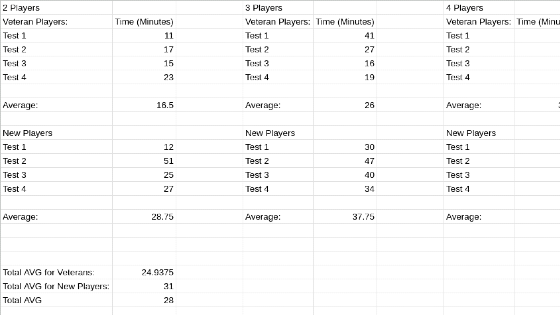
The game greatly improved when I replaced the point-based system with a progress-based win condition. This allowed games to end naturally based on player actions rather than waiting for the deck to run out, reducing average playtime and simplifying balance decisions.
Another key improvement was allowing certain actions to be performed freely instead of consuming a turn. This gave players more flexibility, increased interaction, and reduced downtime. These changes reduced the deck size from over 120 cards to 95, and shortened the average game length from 45–60 minutes to 25–35 minutes.
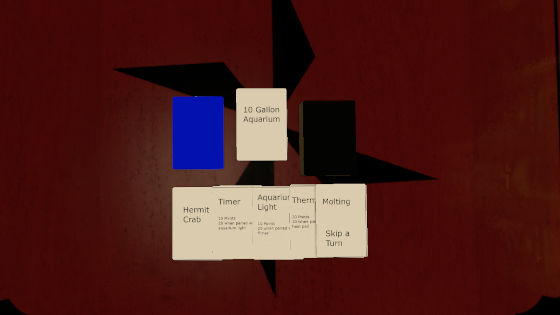
- Used digital tools such as Tabletop Simulator for digital prototyping.
- Utilized both physical and digital prototypes to playtest with a wide variety of players.
- Learned image proofing through the print on demand service The Game Crafter.
Section Summary
Utilized Digital Tools, At Home Printing, and Print on Demand for Prototyping
Within a day of drafting the initial concept and rulebook, I used tabletop simulator's built in custom cards to build a working prototype. For most of the game's early development, this is what I would use to rapidly iterate the game.
Initially, all physical copies of the game were hand printed, cut, and put into card sleeves. This opened up my ability to playtest to all different types of places, with many different types of players.
Eventully, I switched to using a Print on Demand website called The Game Crafter. Their component quality, ease of use, and ability to not have to order in bulk helped in giving the game a more complete, professional look.
One pitfall with Print on Demand however was that it would often take about 1 month for the copies to arrive, so if I had made some major change, sometimes the copy would almost immediately be obsolete. Despite this, I found it the easiest way to get professional looking prototypes.

- Created a consistent and pleasing aesthetic for the game tying into the design pillars.
- Worked with a freelance artist to make the art assets in line with the theming.
- Iterated the design where necessary to ensure choesiveness in the artwork and coloring.
Section Summary
Built a Cohesive Game Aesthetic and Commisioned an Artist for Game Designs
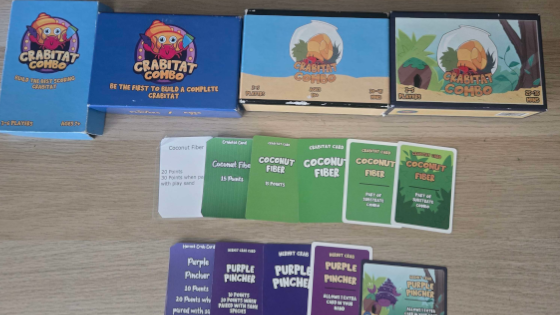
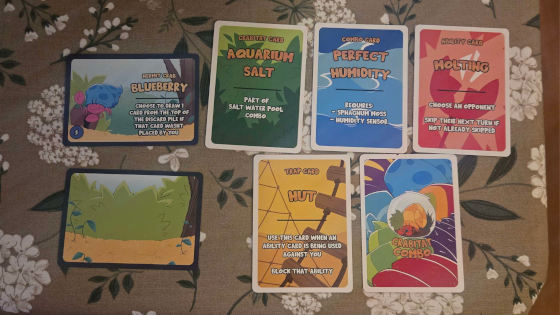
I had a relatively consistent design idea in mind for the art direction of the game. It should be colorful, playful, visually easy to understand. Each card type had its own color, and the colors were bold, and vibrant. While there was nothing wrong with the style, it definitely needed some updates.
While each card type had it's own color, there was a little mismatch in how they were portrayed. All passive cards were cool colors, however, the Combo Cards, another passive card, was a warm color. The only other warm colored cards were the Ability Cards which act as effects such as turn skips. So color changes were made to ensure cohesion.
The original bright bold colors and logo were solid, but it felt out of place for the other design pillar of Hermit Crab Care. So to create a better fit, the colors were toned down to more earthy colors, and the logo was redesigned to a more cutesy, less bold looking hermit crab.
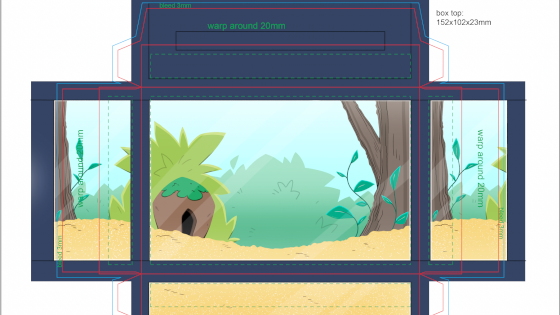
I want to mention my wonderful artist Isabelle Pelletier who I commisioned for all the current artwork used in the game. She has helped me give my game a very pleasing and adorable identity. Her work is seen in the logo, the box design, the individual hermit crabs, and new backgrounds for the different card types to make them more lively and interesting to look at.

- Planned, and executed a successful Kickstarter campaign.
- Presented and playtested Crabitat Combo live at conventions.
- Worked with an overseas manufacturer to prep the game for full production.
Section Summary
Built a Crowdfunding Campaign From Scratch and Showcased at Conventions
Running the crowdfunding campaign on Kickstarter required learning an entirely new skillset, including how to present the game clearly, communicate its value, and reach an audience beyond my existing network.
To build awareness leading up to launch, I showcased Crabitat Combo at several Central Florida conventions, including Anime Festival Orlando, Holiday Matsuri, and Quest Con Orlando. These events provided valuable opportunities to playtest the game with new audiences, gather feedback, and build interest ahead of the campaign.
The campaign launched in February 2025 and reached its funding goal in just 12 hours. Since then, I have been working closely with my overseas manufacturer, LongPack Games, to prepare the game for full production and fulfillment.
I know my portfolio is meant to be a place to talk about my experience and what I've learned and done with my projects, but I want to mention my hundreds of playtesters, my artist, and all those who helped to support me through this undertaking. This project would not have come this far without them.